
Pancreatic Cancer Treatment
in Nebraska
Expert Pancreatic Cancer Care Close to HomeReceiving a pancreatic cancer diagnosis can be overwhelming, but you don’t have to navigate it alone. At Nebraska Cancer Specialists (NCS), our experienced team provides personalized care using the latest advances in chemotherapy, radiation oncology, targeted therapy, precision medicine and clinical research. Whether you’ve recently been diagnosed, are seeking a second opinion or need treatment closer to home, our physicians work alongside your entire care team to develop an individualized treatment plan focused on your unique diagnosis and goals. With multiple locations across Nebraska, patients can receive exceptional cancer care without traveling far from family and support systems. Request an Appointment |
 |
Why Choose Nebraska Cancer Specialists?
For more than 30 years, Nebraska Cancer Specialists has provided comprehensive cancer care for patients across Nebraska and western Iowa. Our physicians specialize exclusively in cancer and blood disorders, offering expertise in gastrointestinal cancers, including pancreatic cancer.
Patients choose NCS because we offer:
- Board-certified medical oncologists specializing in gastrointestinal cancers
- Personalized treatment plans based on national guidelines and the latest research
- Advanced chemotherapy, immunotherapy and targeted therapy
- Precision radiation oncology
- One of the region’s leading independent clinical research programs
- Genetic counseling and hereditary cancer testing
- Registered dietitians and nutrition support
- Mental health counseling for patients and families
- Financial support and survivorship resources
- Care close to home at multiple Nebraska locations
- Collaboration with surgeons and medical centers when surgery is appropriate
Comprehensive NCS Support Services
Cancer treatment involves much more than medications. Patients have access to:
- Oncology-certified dietitians
- Mental health counseling for patient and families
- Nurse Case Managers
- Financial counseling
- Genetic counseling
- Specialty pharmacy services
- Survivorship care planning
- Supportive Care Services
We believe treating the whole person leads to better outcomes.
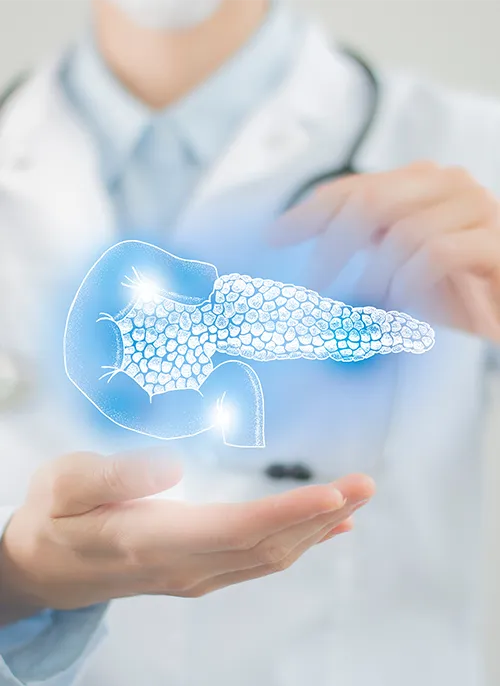 |
Understanding Pancreatic CancerThe pancreas is a gland located behind the stomach that helps regulate blood sugar and aids digestion. Pancreatic cancer develops when abnormal cells grow uncontrollably within the pancreas. Although pancreatic cancer is one of the more challenging cancers to diagnose early, advances in treatment continue to improve outcomes and provide new hope for patients. The most common type is pancreatic adenocarcinoma, which begins in the ducts of the pancreas. Less common pancreatic neuroendocrine tumors require different treatment approaches. |
Signs and Symptoms of Pancreatic Cancer
Many symptoms may not appear until the disease has progressed. Contact your healthcare provider if you experience:
- Yellowing of the skin or eyes (jaundice)
- Pain in the upper abdomen or back
- Unexplained weight loss
- Loss of appetite
- Fatigue
- Nausea
- Dark urine
- Light-colored stools
- New-onset diabetes, particularly in adults over age 50
- Blood clots without another obvious cause
These symptoms can occur with conditions other than pancreatic cancer, but should always be evaluated by a healthcare provider.
Here for You in the Fight Against Pancreatic Cancer
Knowledge can be empowering when facing a pancreatic cancer diagnosis or evaluating your risk. Learn more about pancreatic cancer risk factors, screening recommendations, and how Nebraska Cancer Specialists approaches early detection, personalized treatment, and supportive care for patients across Omaha and communities throughout Nebraska.
Risk Factors
While anyone can develop pancreatic cancer, certain factors may increase your risk.
These include:
- Smoking
- Family history of pancreatic cancer
- Certain inherited genetic mutations, including BRCA1, BRCA2 and Lynch syndrome
- Chronic pancreatitis
- Diabetes
- Obesity
- Increasing age
If you have a strong family history of pancreatic cancer or hereditary cancer syndromes, genetic counseling may help determine whether additional screening is appropriate.
How Pancreatic Cancer Is Diagnosed
Diagnosis often involves several tests, including:
- CT scans or MRI
- Endoscopic ultrasound (EUS)
- PET imaging in selected cases
- Biopsy
- Blood tests, including CA 19-9 when appropriate
- Molecular and biomarker testing
Our physicians review each patient’s imaging, pathology and laboratory findings to develop an individualized treatment plan.
Personalized Pancreatic Cancer Treatment
Every pancreatic cancer is unique. Your care team considers the stage of disease, testing and imaging, overall health and treatment goals before recommending therapy.
Treatment recommendations depend on the cancer type, stage, biology, and each patient’s individual health needs. Nebraska Cancer Specialists focuses on coordinated oncology care and advanced treatment therapies.
Request an Appointment
Medical Oncology Treatments
Chemotherapy
Chemotherapy is often the foundation of pancreatic cancer treatment.
It may be used:
- Before surgery (neoadjuvant therapy)
- After surgery (adjuvant therapy)
- For locally advanced disease
- For metastatic pancreatic cancer
- To reduce symptoms and improve quality of life
Treatment plans are individualized using nationally recognized guidelines and the latest clinical evidence.
Radiation Therapy
Radiation therapy may help:
- Control locally advanced pancreatic cancer
- Reduce tumor size
- Relieve pain
- Improve quality of life
- Complement chemotherapy in selected patients
Our radiation oncology specialists use advanced technology to precisely target tumors while protecting nearby healthy tissue.
Targeted Therapy and Precision Medicine
Every pancreatic cancer behaves differently. Through comprehensive molecular profiling, some patients may benefit from targeted therapies that focus on specific genetic alterations within the tumor. Precision medicine helps physicians identify therapies that may be more effective based on your cancer’s unique biology.
Do You Perform Pancreatic Surgery?
Nebraska Cancer Specialists does not perform pancreatic surgery.
If surgery is recommended, we work closely with highly experienced pancreatic surgeons and hospital partners to coordinate every aspect of your care.
Many patients receive chemotherapy or radiation therapy before surgery and continue treatment with our team afterward. Our collaborative approach ensures seamless communication between specialists throughout your cancer journey.
Pancreatic Cancer Resources
Learning about pancreatic cancer can help you feel more informed and prepared. We encourage patients and caregivers to explore trusted educational resources and discuss any questions with their care team.
Helpful topics include:
- Understanding pancreatic cancer staging
- Nutrition during treatment
- Managing side effects
- Clinical trials
- Hereditary pancreatic cancer
- Caregiver support
- Questions to ask your oncologist
Clinical Trials
Today’s research is shaping tomorrow’s treatments. Nebraska Cancer Specialists offers eligible patients access to innovative clinical trials evaluating promising new therapies for pancreatic cancer. Participation may provide access to treatments before they become widely available while helping advance the future of cancer care. Our physicians will discuss whether a clinical trial may be appropriate for your diagnosis.
Patient Stories



Related NCS ServicesEvery pancreatic cancer journey is unique, and comprehensive care often extends beyond treatment alone. At Nebraska Cancer Specialists, we provide a wide range of supportive services designed to address your physical, emotional, and long-term well-being throughout every stage of care. Depending on your individual needs, your care team may recommend:
Request an Appointment |
 |
Answering Your Pancreatic Cancer Questions
Can pancreatic cancer be treated without surgery?
Yes. Many patients receive chemotherapy, radiation therapy, targeted therapy or participate in clinical trials. Treatment depends on the stage of disease and your overall health.
Do I need a referral?
Many patients are referred by a primary care provider or gastroenterologist, but second opinions and self-referrals are welcome.
What is molecular testing?
Molecular testing analyzes a tumor for genetic changes that may qualify a patient for targeted therapies or clinical trials.
Are clinical trials safe?
Clinical trials follow strict safety standards and provide access to promising new treatments under close medical supervision.
How quickly can I begin treatment?
Our team works to schedule new patients as quickly as possible so treatment can begin without unnecessary delays.
Request an Appointment
How do I schedule an appointment?
You can request an appointment online or contact Nebraska Cancer Specialists directly to connect with a breast cancer specialist. Early consultation can help clarify options and next steps.
Request an Appointment
 |
Why Patients Across Nebraska Choose NCSIf you or a loved one has been diagnosed with pancreatic cancer, the team at Nebraska Cancer Specialists is here to help. Our physicians combine compassionate care, advanced therapies and access to leading clinical research to provide personalized treatment close to home.
|
Purpose • Innovation • Relationship • Excellence
© 2026 Nebraska Cancer Specialists • Privacy Policy • design by Chip Thompson
Meet DOT.